 01
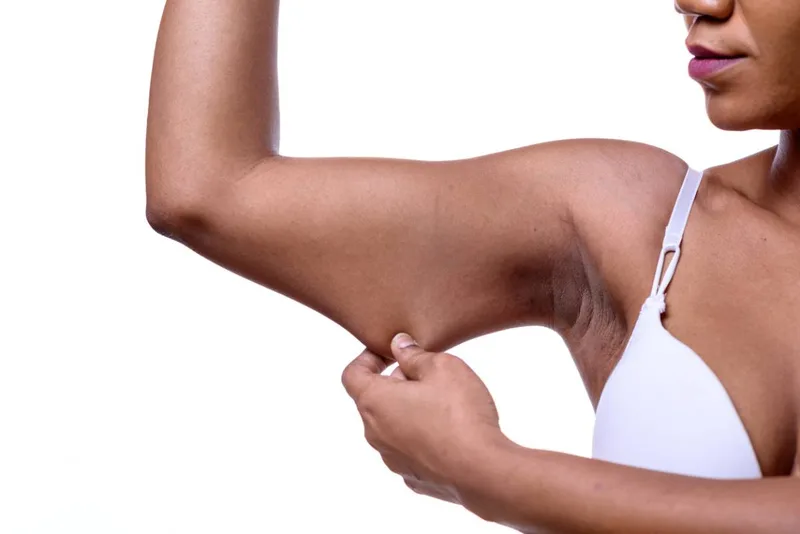
Sagging Skin
Sagging skin looks less firm and may hang more loosely around the cheeks, jawline, neck, or body. You may notice softer contours or folds that were less visible before.
Start with the concern
The same visible concern can have different causes. Explore what a responsible assessment should consider.
Search in your own words
Try a symptom, body area, treatment nickname, or everyday phrase. The closest concern appears first.
01
Sagging skin looks less firm and may hang more loosely around the cheeks, jawline, neck, or body. You may notice softer contours or folds that were less visible before.
 02
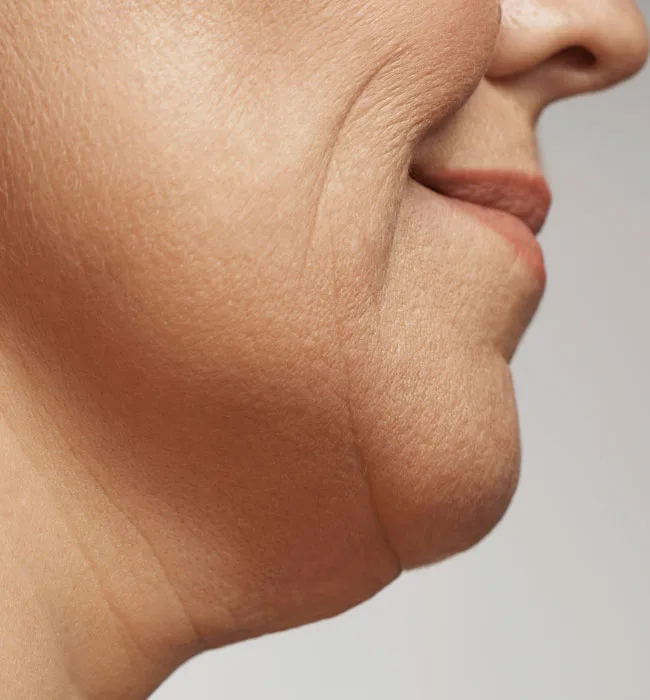
A double chin is fullness beneath the chin that can soften the outline between the face and neck. Fat, loose skin, and natural facial structure can each contribute to its appearance.
 03
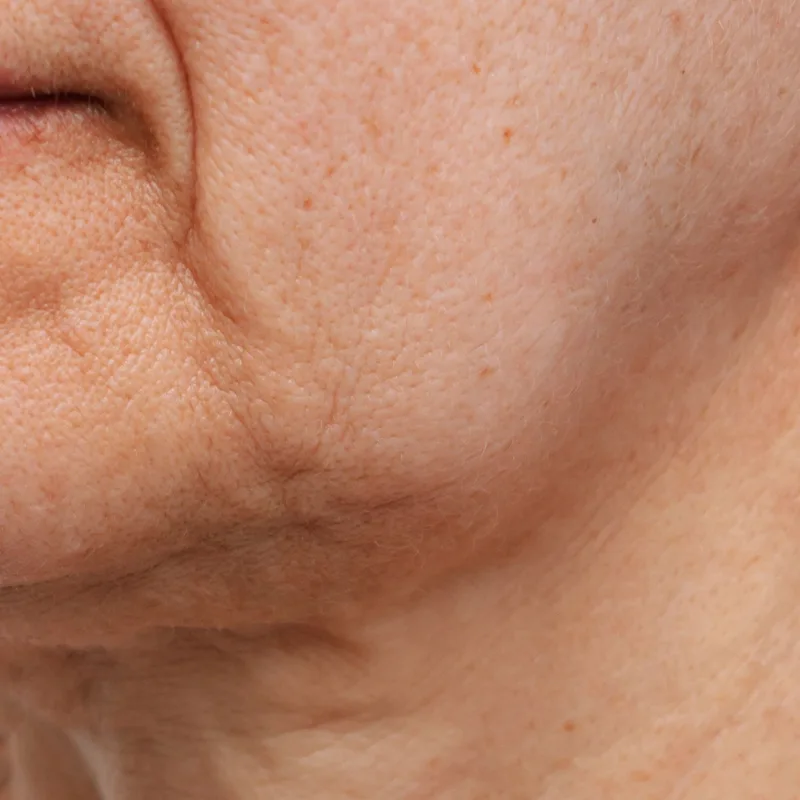
Jowling is drooping along the lower cheeks and jawline. It can make the jaw look less defined and create small folds on either side of the chin.
 04
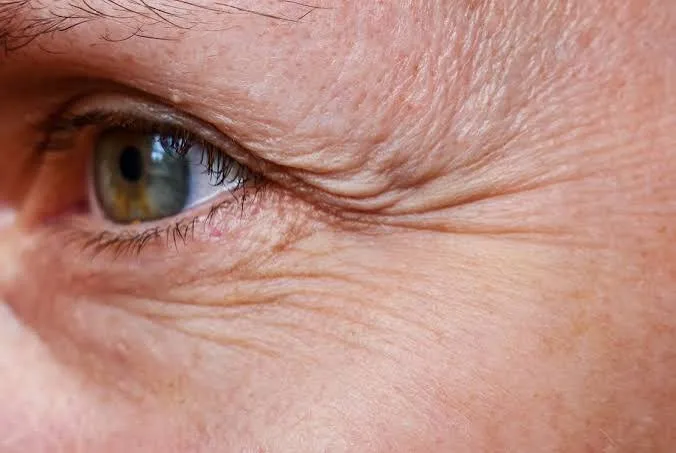
Wrinkles are lines or creases in the skin. Some appear mainly when you smile or frown, while others remain visible when your face is relaxed.
 05
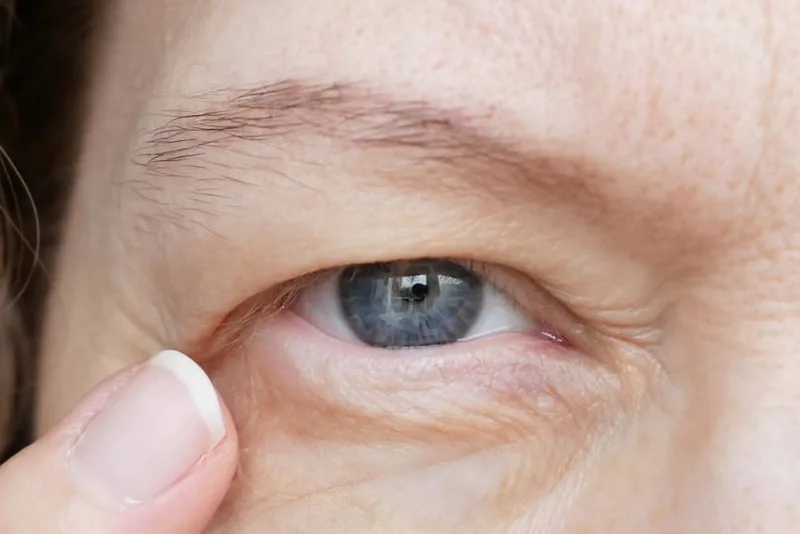
Hooded eyelids have a fold of skin that partly covers the upper eyelid crease. This may be a natural feature or become more noticeable over time; changes affecting vision need medical assessment.
 06
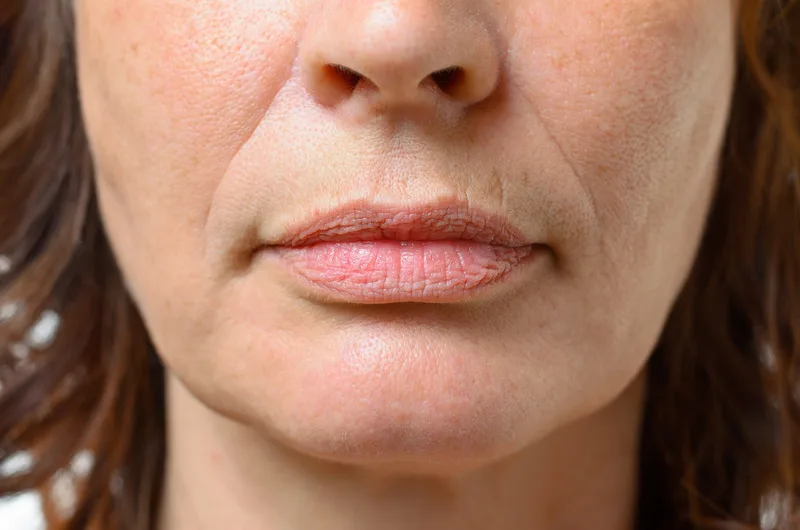
Drooping cheeks describe a lower or less lifted appearance of the mid-face. You may notice flatter upper cheeks and more fullness or folding closer to the mouth.
 07
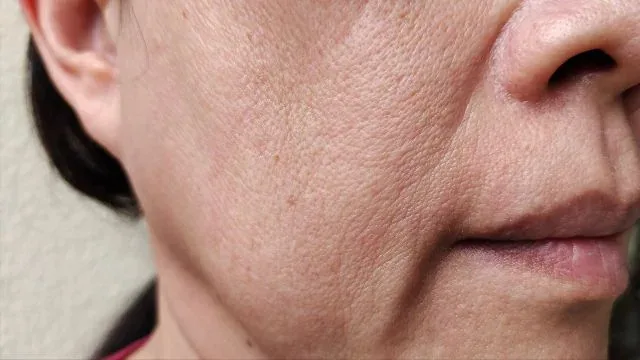
Nasolabial folds are the creases running from the sides of the nose toward the corners of the mouth. They are a normal facial feature that can become more pronounced over time.
 08
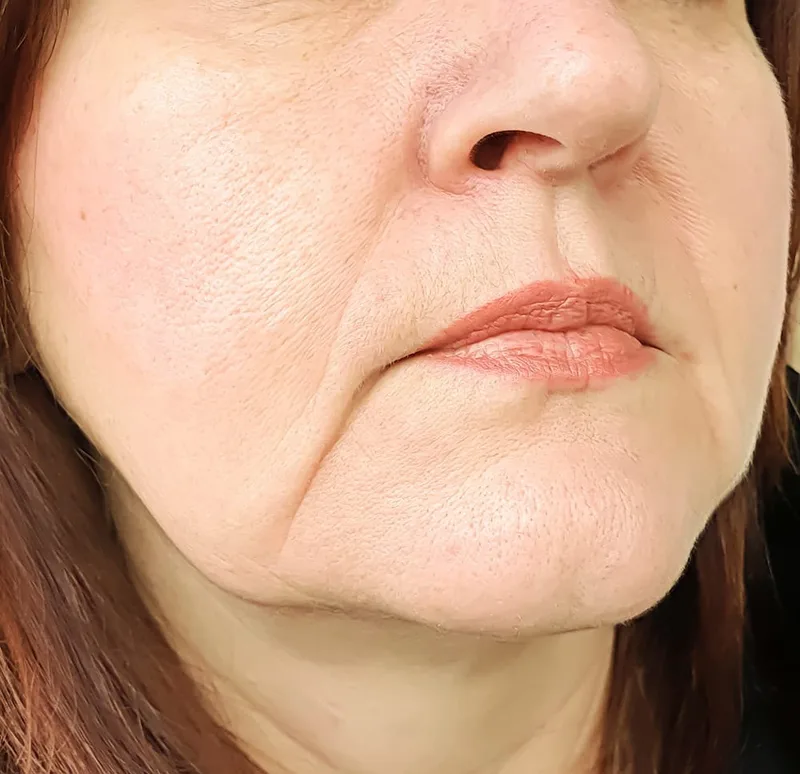
Marionette lines run downward from the corners of the mouth toward the chin. Deeper folds in this area may give the mouth a downturned appearance even at rest.
 09
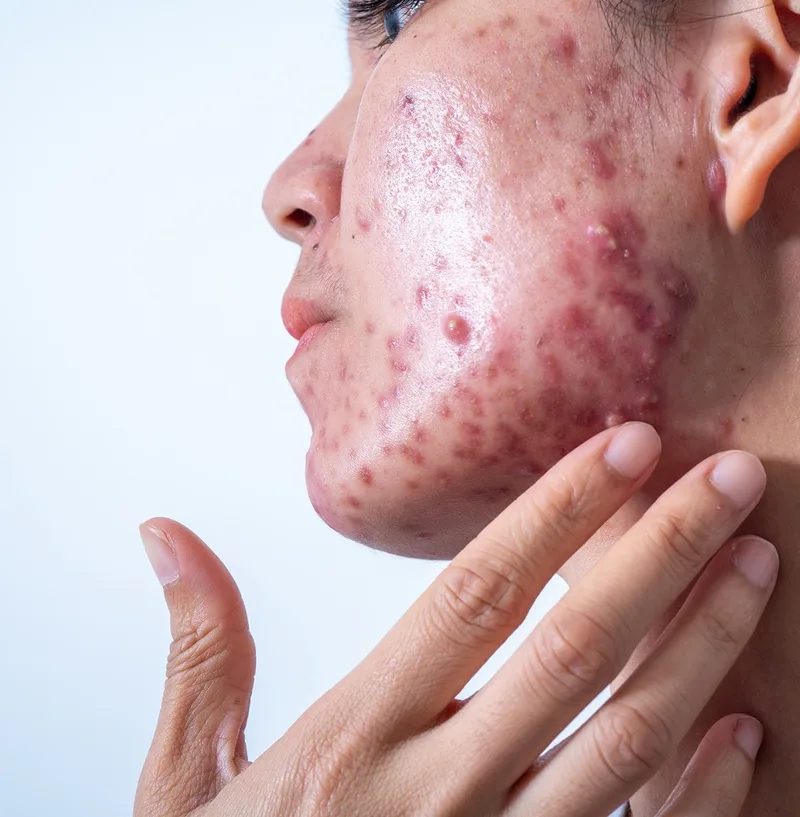
Acne can appear as blackheads, whiteheads, inflamed pimples, or deeper tender bumps. It commonly affects the face, chest, and back, and may leave marks or scars after a breakout settles.
 10
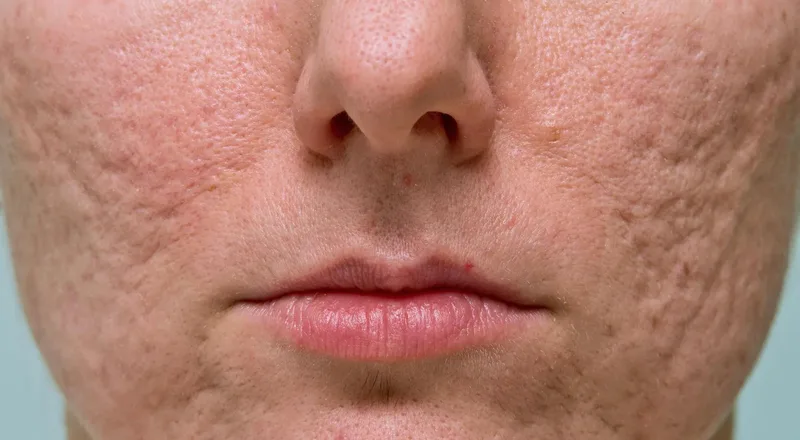
Acne scars are lasting changes in skin texture after breakouts heal, such as small pits, wider depressions, or raised areas. Flat dark or red marks are different from these texture changes.
 11
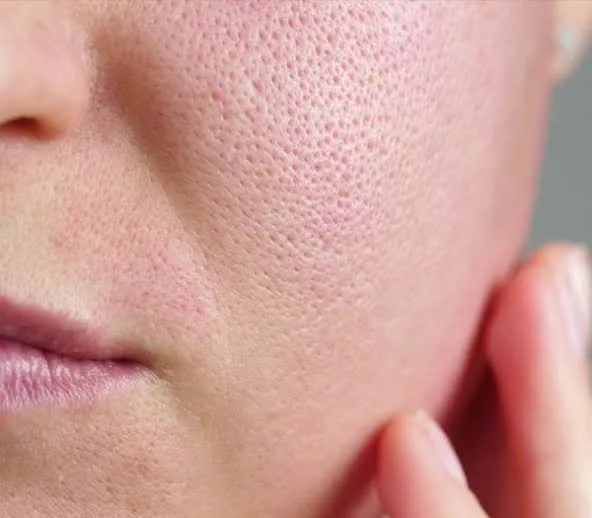
Enlarged pores are visible openings on the skin, often most noticeable around the nose, cheeks, and forehead. Pores are normal; the concern is how prominent they look, not their presence.
 12
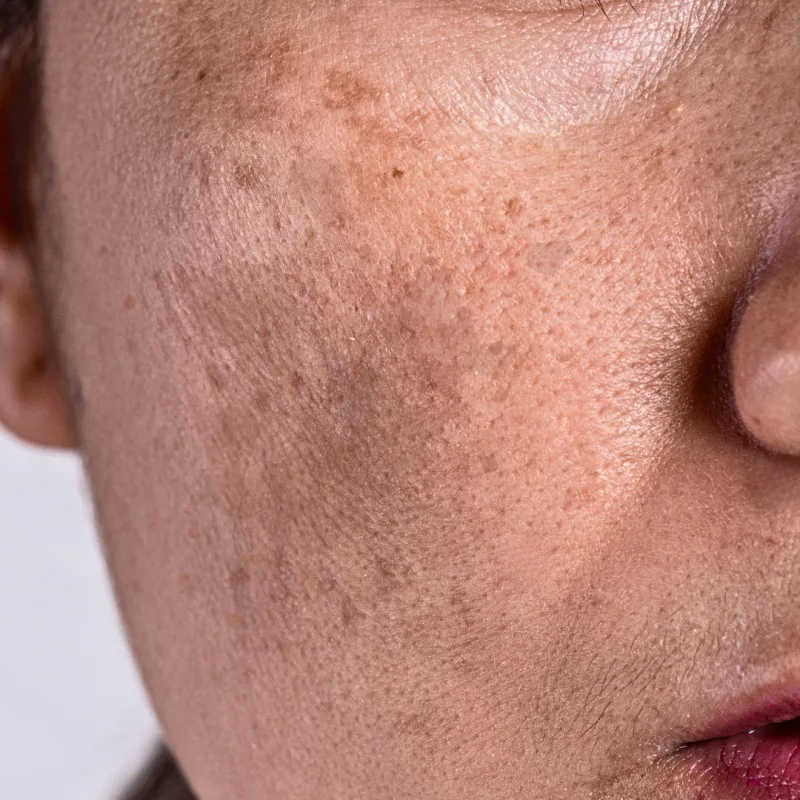
Pigmentation concerns include dark spots, patches, or uneven skin tone. Marks left by breakouts, sun-related spots, and melasma can look similar but are not the same condition.
 13
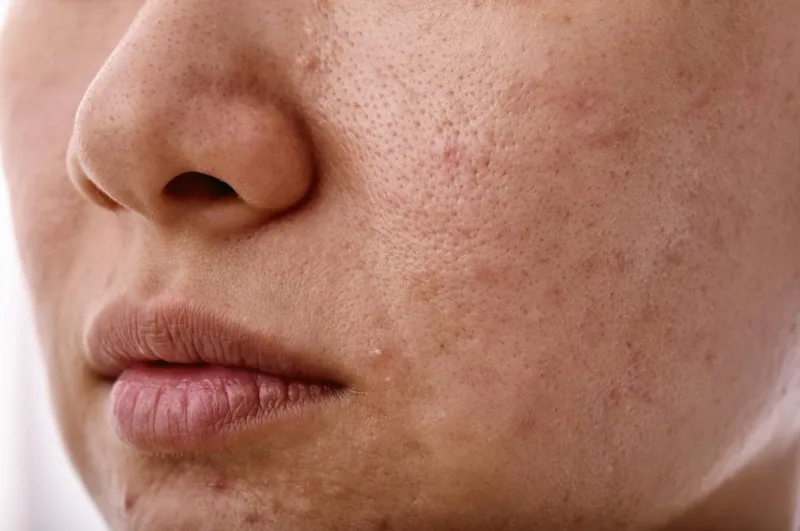
Dull skin describes a complexion that looks less radiant or uneven rather than a specific diagnosis. Roughness, dryness, and uneven tone may all affect how light reflects from the skin.
 14
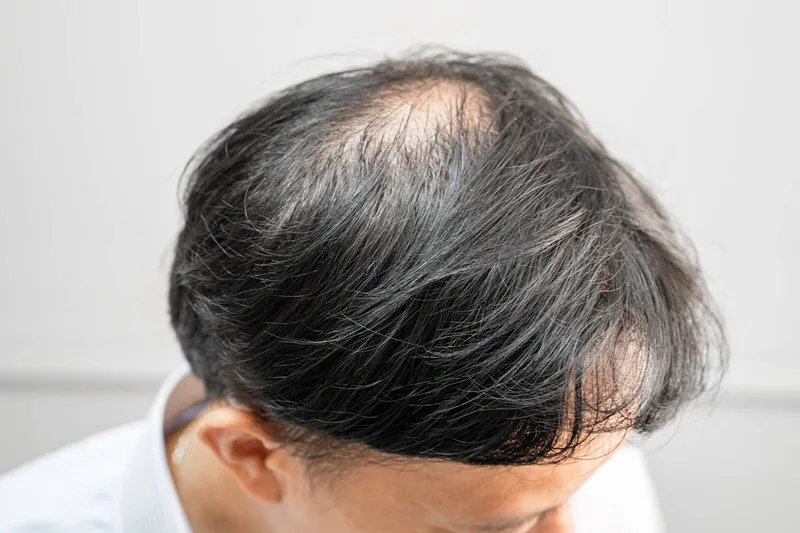
Hair loss may show up as increased shedding, a widening part, a receding hairline, or distinct thin patches. The pattern and timing help distinguish temporary shedding from other forms of hair loss.
 15
Weight management focuses on changes in overall body weight and the habits and health factors around them. It is different from treating a small area of localized fullness for cosmetic contouring.
 16
Fatigue is persistent tiredness or low energy that can affect daily activities. Unexplained or ongoing fatigue deserves a medical evaluation rather than being treated as a cosmetic concern.
 17
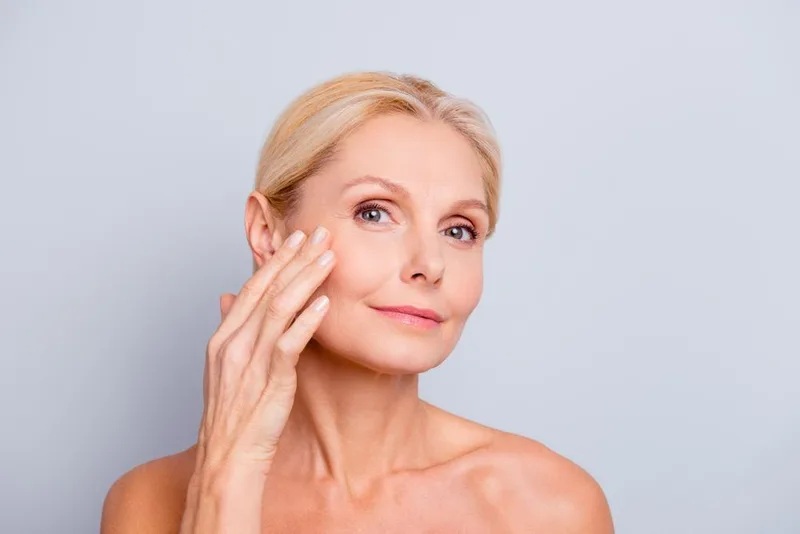
Anti-aging is a broad term for concerns such as fine lines, uneven tone, dryness, and reduced firmness. A useful starting point is identifying the specific changes you want to address, rather than treating aging itself as a problem.
 18
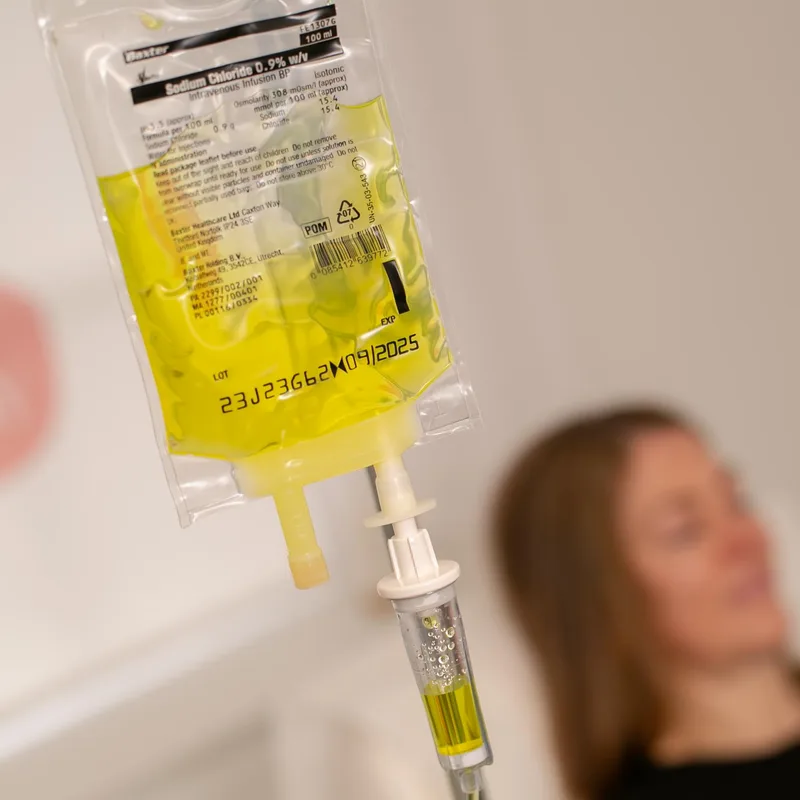
This category covers questions about intravenous wellness infusions, not a skin diagnosis. An infusion is a medical procedure, so its purpose, risks, and suitability need individual discussion.
 19
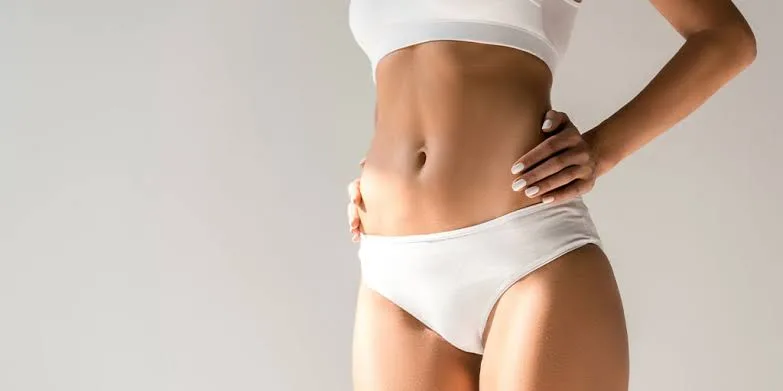
Body contouring concerns relate to the shape and definition of areas such as the abdomen, arms, or thighs. Localized fullness and loose skin are different issues, and contouring is not the same as overall weight loss.
 20
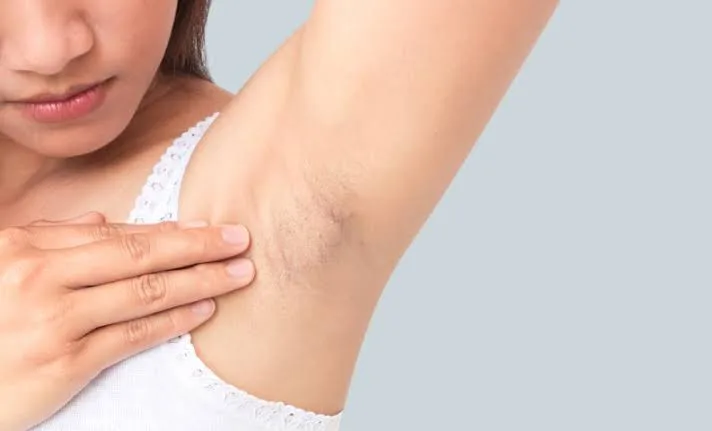
Unwanted hair is facial or body hair you would prefer to reduce or manage. Its thickness, color, location, and growth pattern help guide the conversation about suitable options.
Warts are skin growths that may look rough, raised, or flat. Other harmless growths can resemble them, so a bump should be identified before choosing a removal procedure.
 22
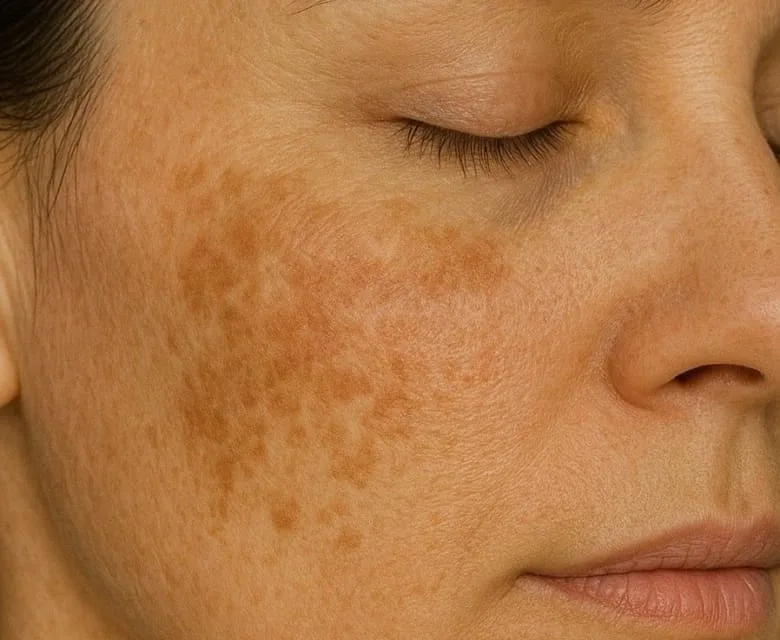
Melasma causes flat brown or gray-brown patches, often on both sides of the face. It commonly affects the cheeks, forehead, and upper lip and differs from isolated dark spots.
 23
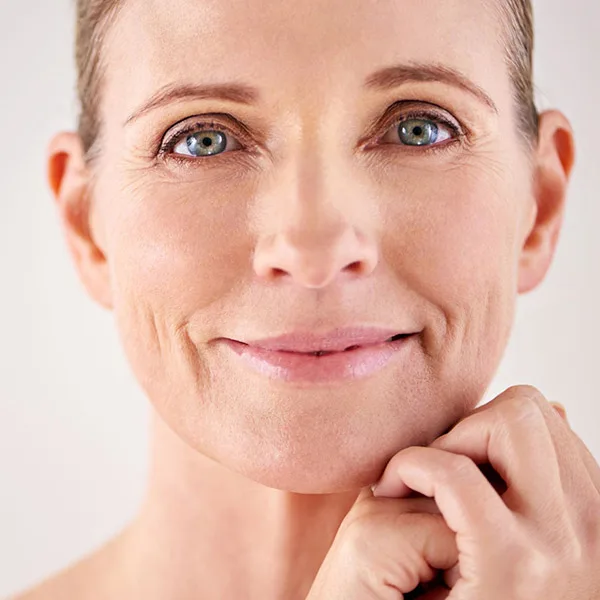
Skin remodelling describes a treatment goal rather than a diagnosis. People exploring this category may want to discuss changes in skin texture, fine lines, or firmness.
 24
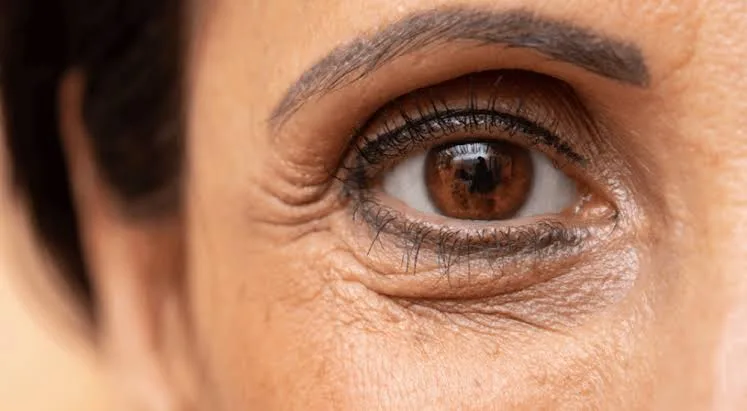
Under-eye concerns can include shadows, hollows, puffiness, fine lines, or loose skin. These features may occur together, but each can need a different approach.
 25
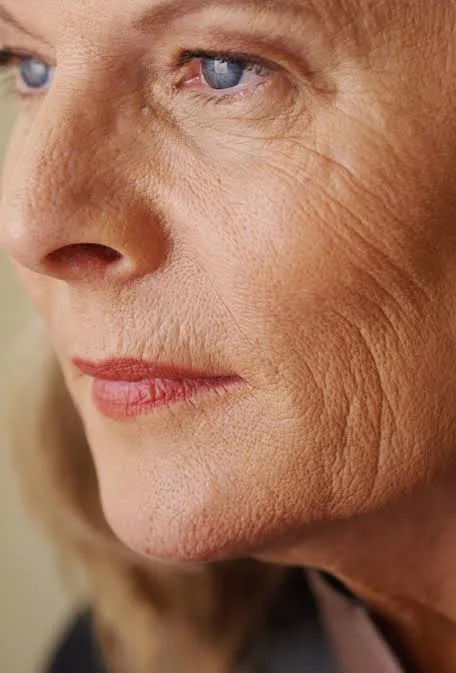
Skin laxity means reduced firmness or recoil, making skin feel looser or less springy. It can affect the face or body and may be noticeable even before obvious sagging develops.
 26
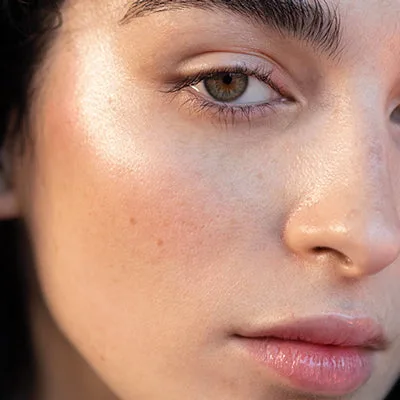
Glass skin describes a desired smooth, hydrated, light-reflecting appearance—not a medical condition. Real skin still has pores and texture, even when it looks healthy and radiant.
 27
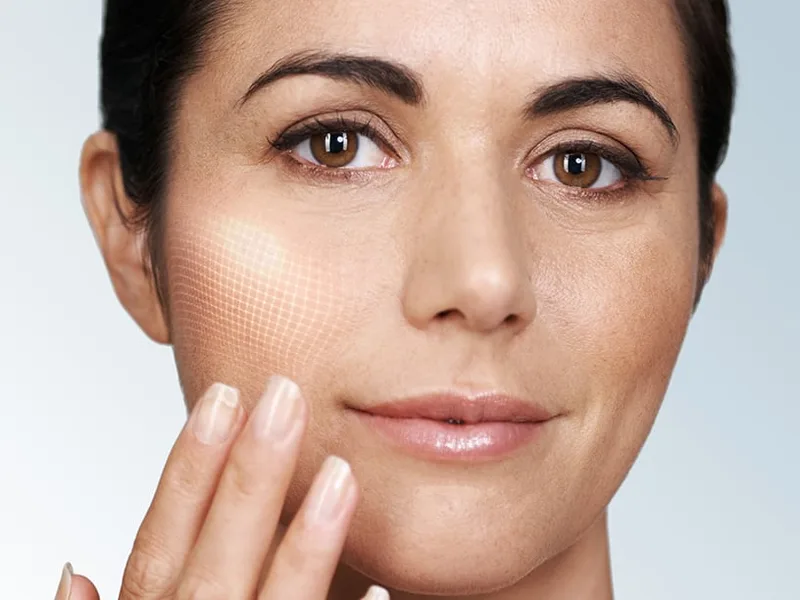
Skin hydration concerns often involve tightness, a less supple feel, or fine surface lines that seem more noticeable. Even skin that looks oily can feel dehydrated.
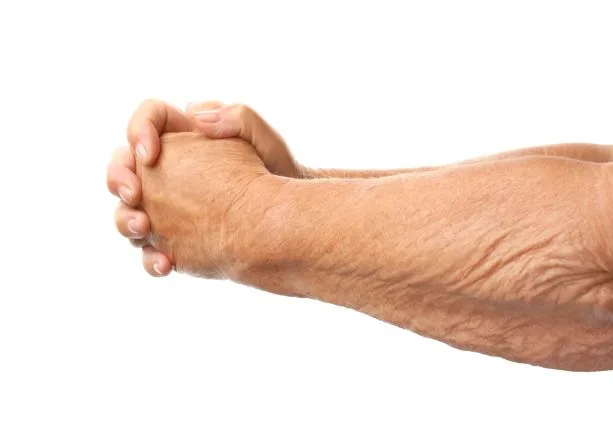 28
Crepey skin looks thin and finely wrinkled, with a texture resembling crinkled paper. It is often noticed around the eyes, neck, upper arms, or other areas of the body.
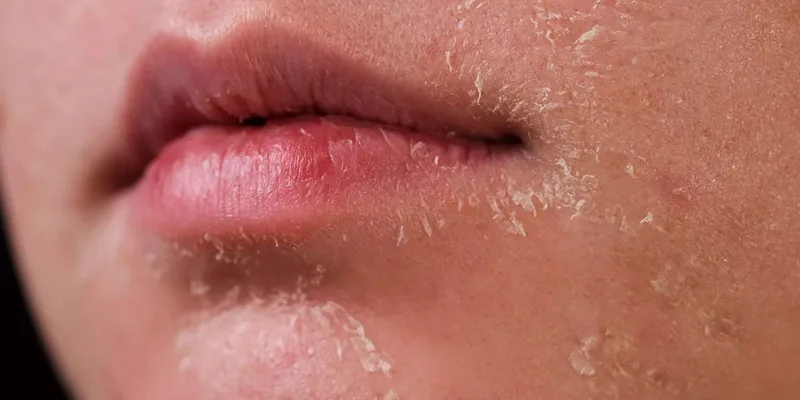 29
Dry skin may feel rough, tight, flaky, or itchy. It can affect small patches or larger areas, and persistent cracking or irritation may need more than cosmetic care.
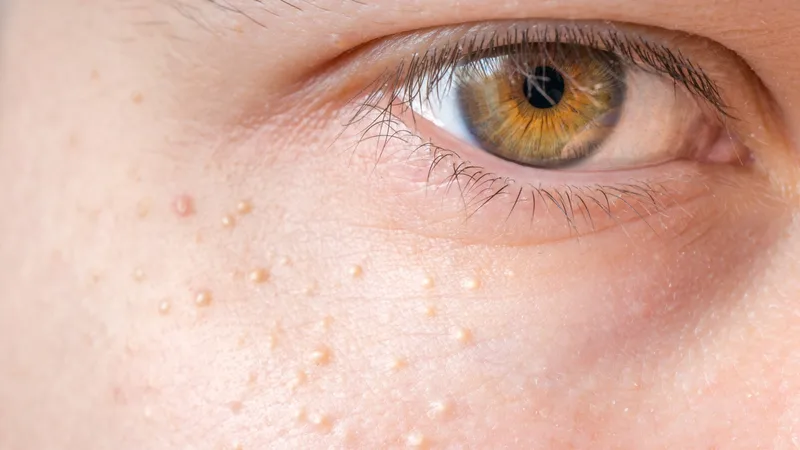 30
Syringomas are small, usually skin-colored bumps often seen in clusters around the eyelids. Other bumps can look similar, so confirmation is important before discussing treatment.
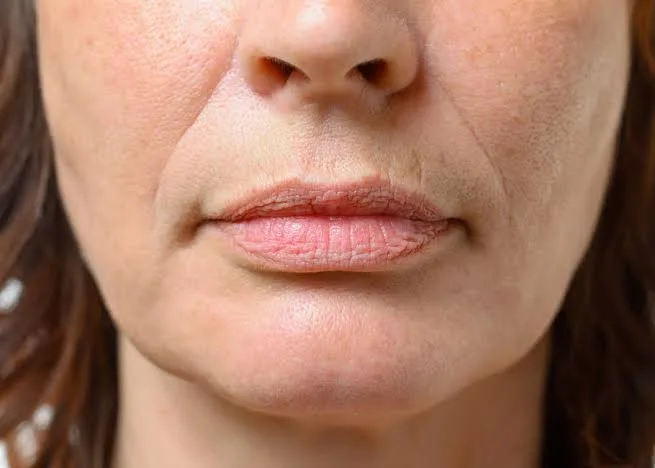 31
Fillers are a treatment category rather than a concern. People exploring them may be interested in facial hollows, volume changes, or contour, which need assessment before an injectable option is considered.
 32
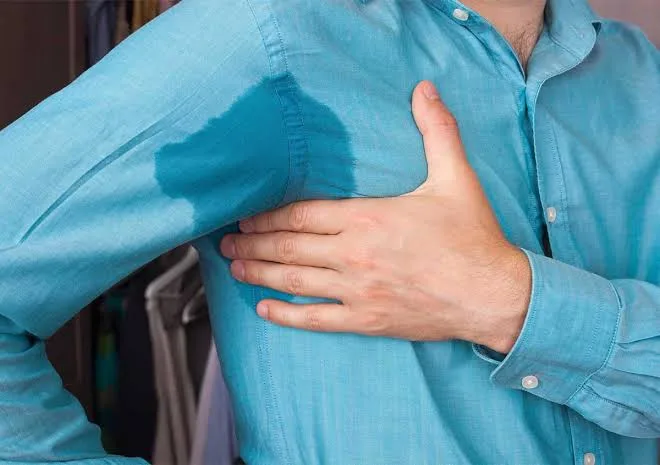
Hyperhidrosis is sweating beyond what the body needs for cooling. It may affect areas such as the underarms, palms, or feet and interfere with clothing, comfort, or daily activities.
 33
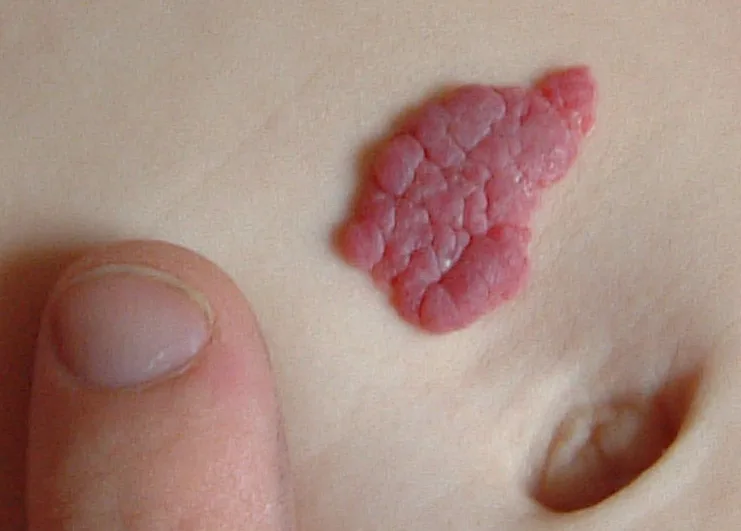
A hemangioma is a growth involving blood vessels that may appear red, purple, or deeper under the skin. A red spot is not automatically a hemangioma; its type should be confirmed by a clinician.
 34
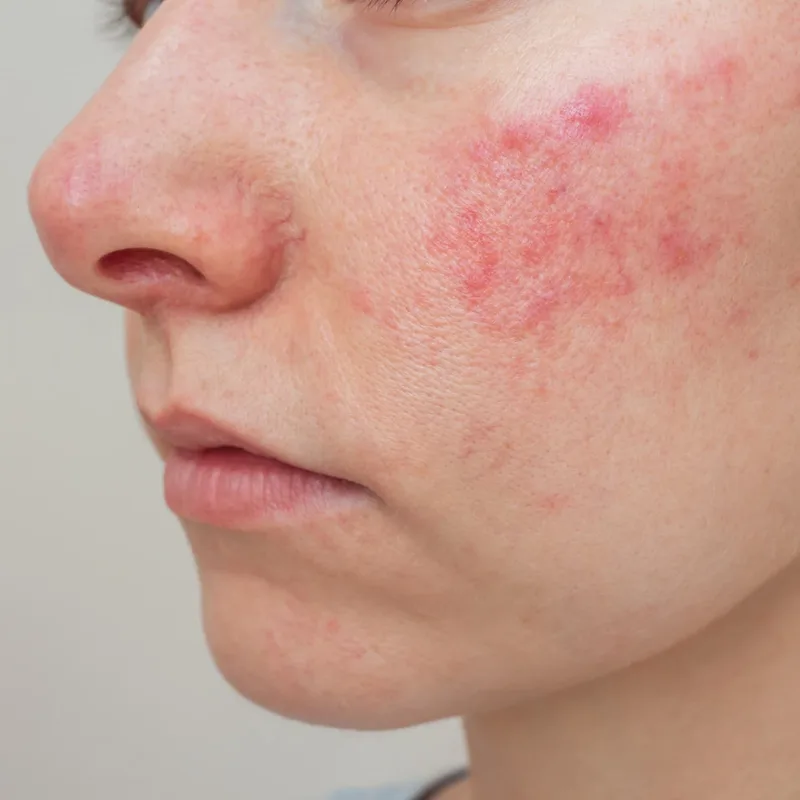
Rosacea is a facial skin condition that may cause flushing, lasting redness or other color changes, visible blood vessels, and acne-like bumps. Some people also experience eye irritation.
Turkey neck is an informal name for loose skin or prominent folds beneath the chin and along the neck. Skin texture, muscle bands, and fullness can each influence its appearance.
 36
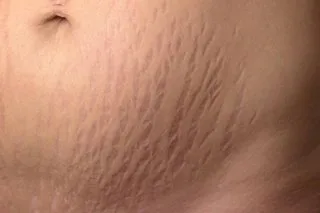
Stretch marks are bands of scar tissue that can develop when skin stretches or shrinks quickly. Newer marks may look red or purple, while older marks often become paler and slightly indented.
 37
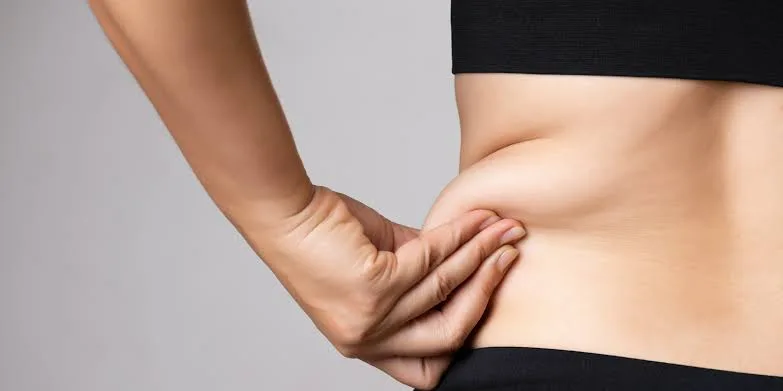
Stubborn fat describes localized fullness that remains in an area despite changes in overall weight or habits. It is different from loose skin and does not, by itself, indicate a health problem.
 38
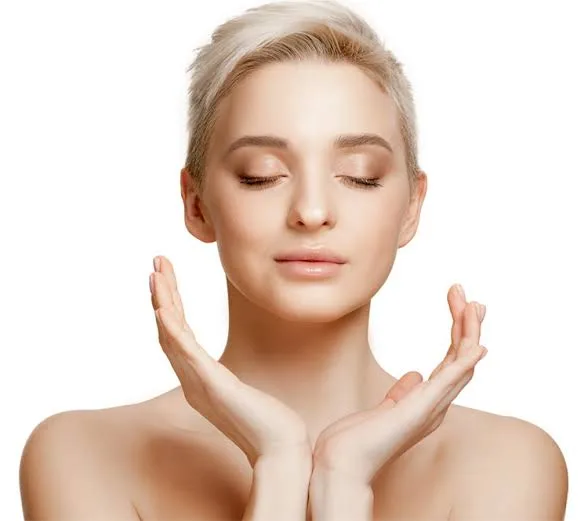
Facial harmonization is a cosmetic goal focused on the relationship between facial features. The aim of a consultation is to understand your preferred balance while respecting your natural appearance.
 39
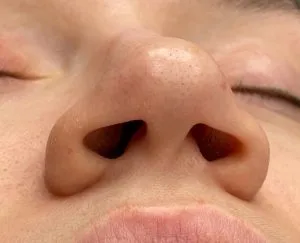
Dynamic flaring describes nostrils that widen noticeably with smiling or other facial movement. This differs from nostril width that is present when the face is relaxed.
 40
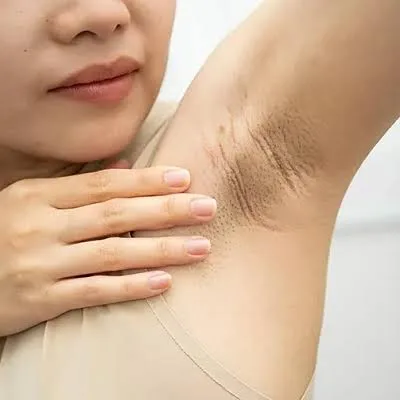
Dark underarms are areas of deeper skin color beneath the arms. Irritation and other skin changes can contribute; new, thickened, or persistent darkening should be assessed rather than simply treated as a brightening concern.
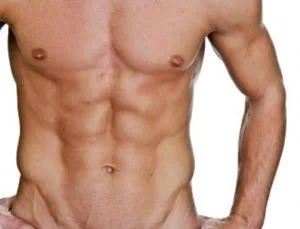 41
Muscle toning describes a goal of improved muscle definition or a firmer-looking body contour. Muscle, overlying fat, and skin firmness all influence the appearance of an area.
 42
Metabolic wellness concerns how the body manages energy and relates to factors such as blood sugar, blood pressure, and cholesterol. It cannot be judged from appearance or body size alone.
Recovery can mean returning to normal comfort and activity after a procedure, illness, or physical exertion. The cause and symptoms matter, so this category starts by clarifying what you are recovering from.
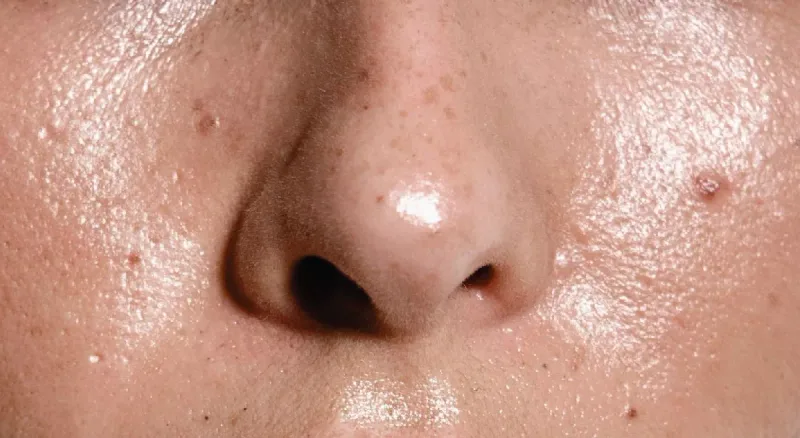 44
Oily skin produces noticeable shine, especially across the forehead, nose, and chin. It may occur alongside visible pores or breakouts, but oily skin and acne are not the same thing.
No close concern match yet. Try a body area, symptom, or simpler phrase.
Your plan starts with a conversation
Choose a branch and treatment interest. Our team will contact you to arrange an assessment—no diagnosis or payment is made through this form.
 byoo + tee Care Guide
Instant guide · CSR handoff available
Please don’t share medical records here. This guide provides general information and cannot diagnose or prescribe.